Firewood Safety What Every Denver Homeowner Should Know
A roaring fire in the heart of winter is one of life’s simplest pleasures, especially for Denver residents who experience the full beauty (and bite) of Colorado winters. But with great warmth comes great responsibility. Burning firewood the wrong way can lead to serious risks—from chimney fires to poor indoor air quality. That’s why it’s essential to understand how to use firewood safely and efficiently.
In this guide, we’ll cover everything Denver homeowners need to know about firewood safety, from proper storage and handling to the safest ways to enjoy your fireplace all winter long.
1. Always Use Dry, Seasoned or Kiln-Dried Wood
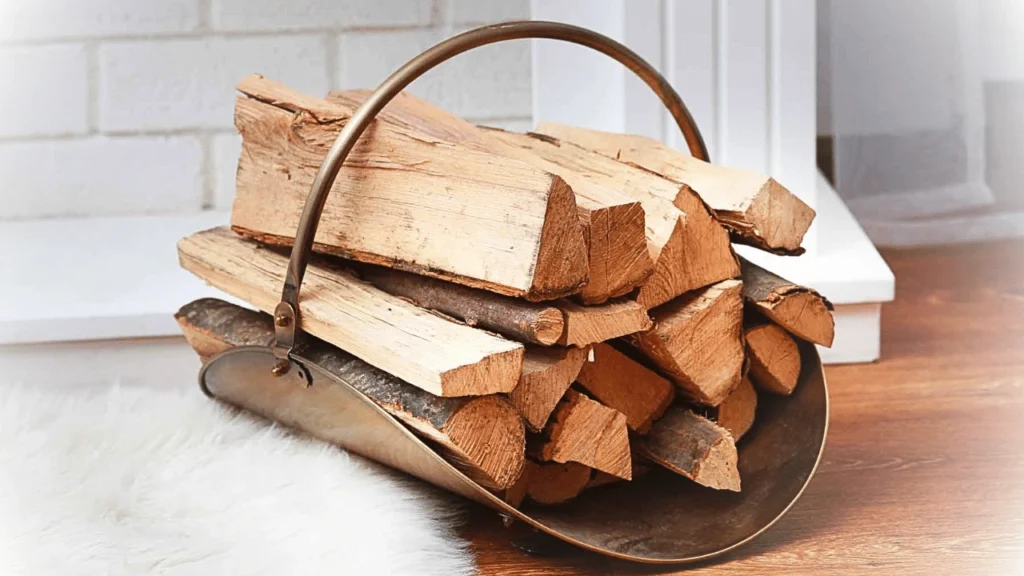
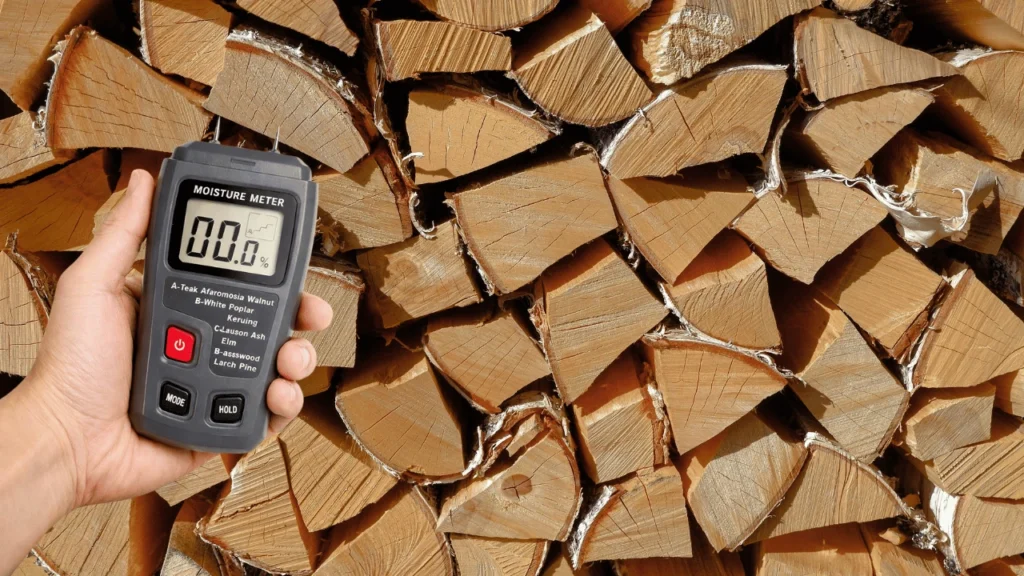
Burning wet or green wood is a common mistake that can lead to excessive smoke, creosote buildup, and inefficient heat. In Denver’s climate, the best option is kiln-dried firewood. It’s already been dried in a controlled environment and is ready to burn right away.
Using dry wood ensures a cleaner burn, minimizes pollution, and keeps your chimney safer. You’ll also enjoy brighter flames and more consistent heat output.
2. Store Firewood Safely Away From Your Home
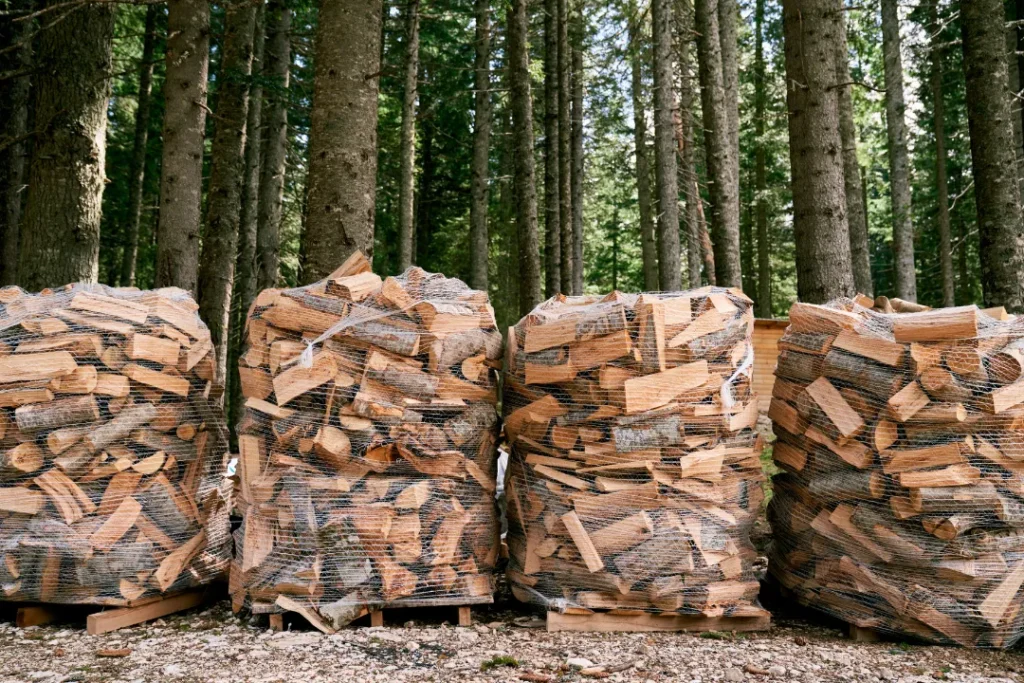
Stacking firewood against the house may seem convenient, but it invites pests—like termites, spiders, and rodents—closer to your home. Store wood at least 3 feet away from your exterior walls and elevate it off the ground using a rack or pallets.
Cover the top of your stack to shield it from snow and rain, but leave the sides open for airflow. This keeps your firewood dry and reduces the chance of mold or rot.
3. Keep Your Chimney and Fireplace Clean
A dirty chimney is a dangerous chimney. Over time, creosote—a highly flammable byproduct of burning wood—can build up in your chimney liner. This can cause chimney fires that are difficult to detect until it’s too late.
Have your chimney professionally inspected and cleaned at least once a year, especially before winter. If you burn wood frequently, consider more frequent cleanings.
4. Never Burn Trash or Treated Wood
Burning materials like painted wood, pressure-treated lumber, cardboard, or trash is extremely dangerous. These can release toxic fumes and increase the risk of chimney fires.
Stick to untreated, natural firewood. For safety and health, it’s always better to burn less but burn better.
5. Use a Fireplace Screen or Glass Door
Sparks and embers can escape from an open fireplace, igniting nearby furniture, rugs, or wood flooring. A mesh screen or glass door acts as a barrier, keeping the fire safely contained.
Be sure the screen or door is properly fitted and in good condition. Always close it when the fire is burning unattended, even briefly.
6. Keep a Fire Extinguisher Nearby
Fireplaces are beautiful—but they are still open flames. Have a working fire extinguisher nearby, and make sure every family member knows how to use it.
Install smoke detectors and carbon monoxide detectors in rooms with fireplaces or wood stoves, and test them monthly. Change batteries regularly.
7. Don’t Overload Your Fireplace
More wood doesn’t always mean more warmth. Overloading your fireplace can restrict airflow, create excessive smoke, and even cause structural damage.
Stick to small, well-placed logs that allow the fire to breathe. You’ll get more heat with less hassle—and keep the fire manageable and safe.
8. Never Leave a Fire Unattended
It’s tempting to leave a glowing fire while you run errands or go to bed, but it’s one of the most dangerous mistakes you can make. Unattended fires can flare up suddenly and cause house fires.
Make sure your fire is completely out before leaving the room or going to sleep. Let the embers die down and spread the ashes out to cool before disposing.
9. Dispose of Ashes Safely
Hot ashes can stay dangerous for hours—even days. Always place ashes in a metal container with a tight-fitting lid and store it outside, away from your house and combustible materials.
Never use a vacuum or plastic bag to dispose of ashes. Always check that they are completely cool before handling.
10. Educate Everyone in the Home
Fire safety isn’t just for adults. Teach children and houseguests the basics of firewood safety—like not touching the glass door, avoiding the fire tools, and never playing near the fireplace.
Place childproof barriers if you have toddlers or pets to prevent accidents. The more people know, the safer your home will be.
Final Thoughts
Firewood is a wonderful source of warmth and ambiance during Denver winters—but only when used safely. By following these firewood safety tips, you’ll enjoy every flicker of flame with peace of mind. Combine these practices with high-quality firewood delivery in the Denver area, and your winter nights will be warm, safe, and unforgettable.
FAQs
1. How often should I clean my chimney in Denver?
At least once a year, preferably before winter. Frequent users may need multiple cleanings annually.
2. What’s the safest type of wood to burn indoors?
Kiln-dried hardwoods like oak, maple, and hickory are ideal for clean, efficient burning.
3. Can I burn wood in Denver during air quality alerts?
No. Denver enforces burn bans on poor air quality days. Check local alerts before lighting a fire.
4. Are fireplace inserts safer than open fireplaces?
Yes. Inserts are more efficient and reduce the risk of sparks and heat loss.
5. What should I do if my chimney smells like smoke when not in use?
This could indicate poor ventilation or creosote buildup. Get a chimney inspection immediately.