Spring Showers in Denver How to Protect Your Firewood Delivery from Moisture
There is a unique beauty to spring along the Front Range. One moment, the sun is illuminating the Rockies, and the next, a heavy “upslope” storm brings a sudden downpour or a thick, wet mist to Metro Denver. While this moisture is a blessing for our high-desert landscape, it presents a significant challenge for homeowners who rely on high-quality fuel for their hearths.
If you have recently scheduled a Firewood Delivery Denver, you have made an investment in comfort and ambiance. However, without a proactive plan for storing firewood in spring, that investment can quickly literally “soak away.” Wet wood is more than just a nuisance to light; it is a catalyst for smoke, creosote, and fungal growth. At Denver Firewood Delivery, we believe that providing the best wood is only half our job, the other half is ensuring you know how to keep it in peak condition. This guide will dive deep into the mechanics of firewood moisture protection so you can enjoy a crackling fire regardless of what the Denver spring weather throws at your backyard.
The Impact of Denver’s Spring Humidity on Seasoned Wood
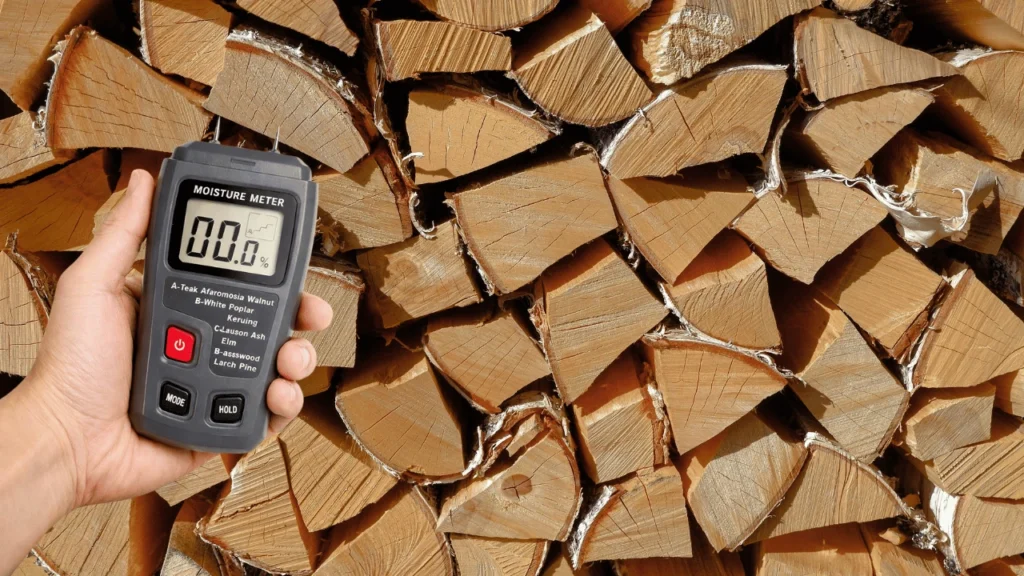
To understand why moisture is so damaging, we have to look at the cellular structure of the wood. When we provide Seasoned firewood Denver residents expect logs that have a moisture content of 20% or less. During the seasoning process, the natural sap and water evaporate, leaving behind hardened lignin and cellulose that are ready to release maximum heat energy. However, wood is “hygroscopic,” meaning it acts like a sponge, constantly exchanging moisture with the surrounding air. When the humidity spikes during a Denver rainstorm, seasoned wood begins to pull that water back into its pores. This is why firewood moisture protection is a year-round necessity, but it becomes critical in the spring. If seasoned wood reaches a moisture level above 25%, it loses its “clean burn” properties. Instead of the energy going into heat, the fire has to spend all its energy boiling off the internal water. This results in a smoldering, hissing fire that produces thick black smoke, a major red flag for fireplace safety in the Metro Denver area.
Top 5 Tips to Keep Your Firewood Dry This Season
Effective storing firewood in spring isn’t about creating an airtight vault; it’s about managing the balance between protection and evaporation. Here is how you can ensure your Firewood Delivery Denver remains as dry as the day it was dropped off.
1. Elevate Your Wood Off the Ground
The most common mistake homeowners make is stacking their wood directly on the dirt or grass. Even if the sun is shining, the ground in the Front Range retains moisture long after a storm has passed. Through a process called capillary action, wood in contact with the earth will suck up moisture from the soil, leading to rot in the bottom layers of your stack. When considering how to keep firewood dry outdoors, your first line of defense is a high-quality firewood rack. If you don’t have a dedicated rack, using old shipping pallets or even a set of pressure-treated 4x4s can provide the necessary clearance. Elevating the wood just 4 to 6 inches off the ground creates a barrier that prevents ground-moisture absorption and allows for better air circulation.
2. Master the Art of Tarping (Proper Airflow)
There is a fine art to tarping firewood. Many people believe that wrapping a stack tightly in plastic is the best way to keep it dry. In reality, this is one of the quickest ways to ruin your wood. An airtight seal traps the wood’s natural remaining moisture and the humidity from the air, creating a “sauna effect” that promotes rapid decay. To achieve proper airflow for wood storage, you should only cover the top of the stack. Let the tarp or cover overhang the sides by only a few inches. This “top-hat” method ensures that rain and snow shed off the stack while the sides remain open. This exposure allows the wind to move through the logs, wicking away surface moisture and keeping the stack “breathing.”
3. Seek the Sunlight
In Denver, we are famous for our 300 days of sunshine. Use this to your advantage. When deciding how to keep firewood dry outdoors, choose a south-facing location. The intense UV rays at our altitude help evaporate surface moisture quickly after a spring shower, acting as a natural kiln.
4. Space it Out
Don’t stack your firewood flush against a wall or fence. Leave at least three inches of space between the stack and any structure. This small gap is vital for firewood moisture protection, as it prevents stagnant air pockets where mold thrives.
5. Rotate Your Stock
If you have wood left over from winter, don’t just stack the new delivery on top. Move the older wood to the front or top. This ensures you are using the oldest (and likely driest) wood first while giving the new Firewood Delivery Denver ample time to acclimate to your storage setup.
Signs Your Firewood Has Started Growing Mold
Even with great care, the dampness of spring can sometimes lead to fungal issues. Preventing mold on firewood is essential for indoor burning, as mold spores released into your living room can affect air quality and trigger allergies.
How do you know if your wood is compromised? Look for these signs:
- Discoloration: White, grey, or black fuzzy patches on the ends of the logs (the grain) are the first signs of mold.
- The “Musty” Smell: Fresh Seasoned firewood Denver should smell like dry earth or specific wood aromas (like the sweet scent of Apple or the spicy hit of Pinon). If it smells like a damp basement, mold is present.
- Bark Peeling with Slime: If the bark is falling off and the area underneath feels slick or slimy, the wood has reached a high level of decay.
If you spot these signs, don’t panic. Preventing mold on firewood from spreading is possible by restacking the affected logs in a high-sunlight, high-wind area. However, if the mold is extensive, that wood should only be used for outdoor fire pits rather than indoor fireplaces.
Why Dry Wood Matters for Your Fireplace or Fire Pit
You might wonder, “Does it really matter if the wood is a little damp?” The answer is a resounding yes. When you prioritize firewood moisture protection, you are prioritizing safety. Wet wood creates creosote, a tar-like substance that sticks to the inside of your chimney. Creosote is highly flammable and is the leading cause of chimney fires in Denver homes. By storing firewood in spring correctly, you ensure that the combustion is complete and the exhaust is mostly water vapor and CO2, rather than dangerous flammable resins. Furthermore, dry wood is more economical. You get more “BTUs” (British Thermal Units) per log. Effectively preventing mold on firewood and keeping it dry means you burn fewer logs to reach the same temperature, making your Firewood Delivery Denver last significantly longer. Whether you are roasting marshmallows over a fire pit or heating your home, the quality of the burn is entirely dependent on how well you have managed the how to keep firewood dry outdoors protocols.
Get Your Premium Wood Today
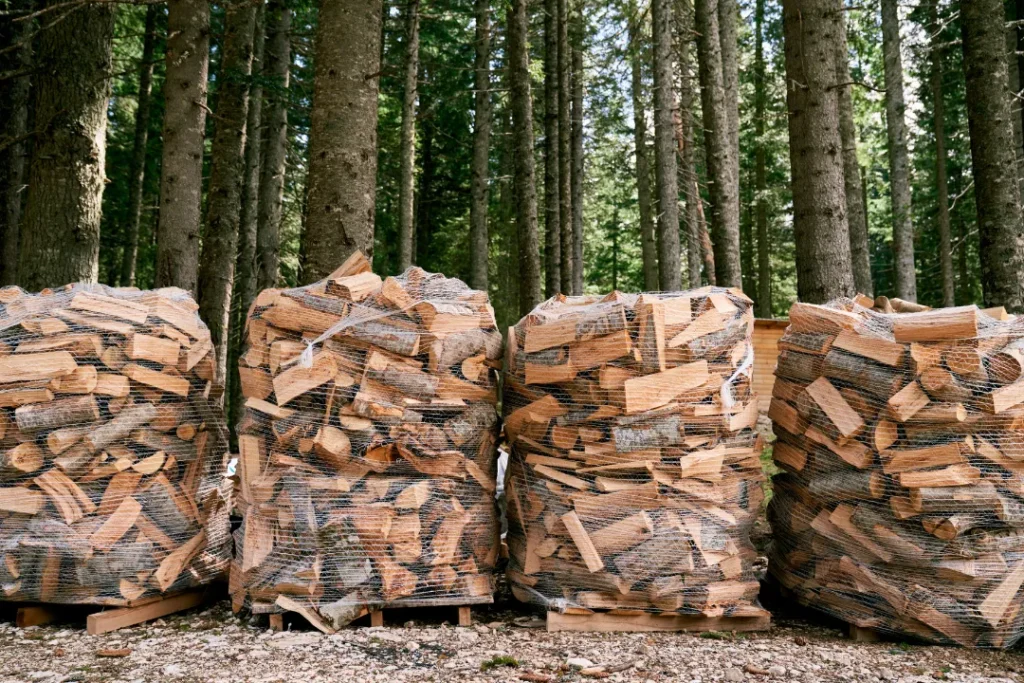
Maintaining a dry firewood stack is a labor of love, but it starts with starting with the right product. At Denver Firewood Delivery, we take pride in our meticulous seasoning process. We understand the specific climate challenges of the Front Range, and we provide the Seasoned firewood Denver residents need to stay warm and safe. Don’t let a sudden spring storm leave you in the cold. We offer 24/7 delivery services to ensure you are never without high-quality fuel. Our team doesn’t just drop the wood; we can help you understand the best placement on your property to maximize airflow for wood storage.
Ready to stock up?
Visit us at denverfirewooddelivery.com to browse our selection of hardwoods and mixes. Whether you need a small stack for your patio or a full cord for the season, we are here to serve the entire Metro Denver area with the most reliable firewood service in Colorado. Call for order (267) 766-9055. Cash on delivery charge 2$ per mile.